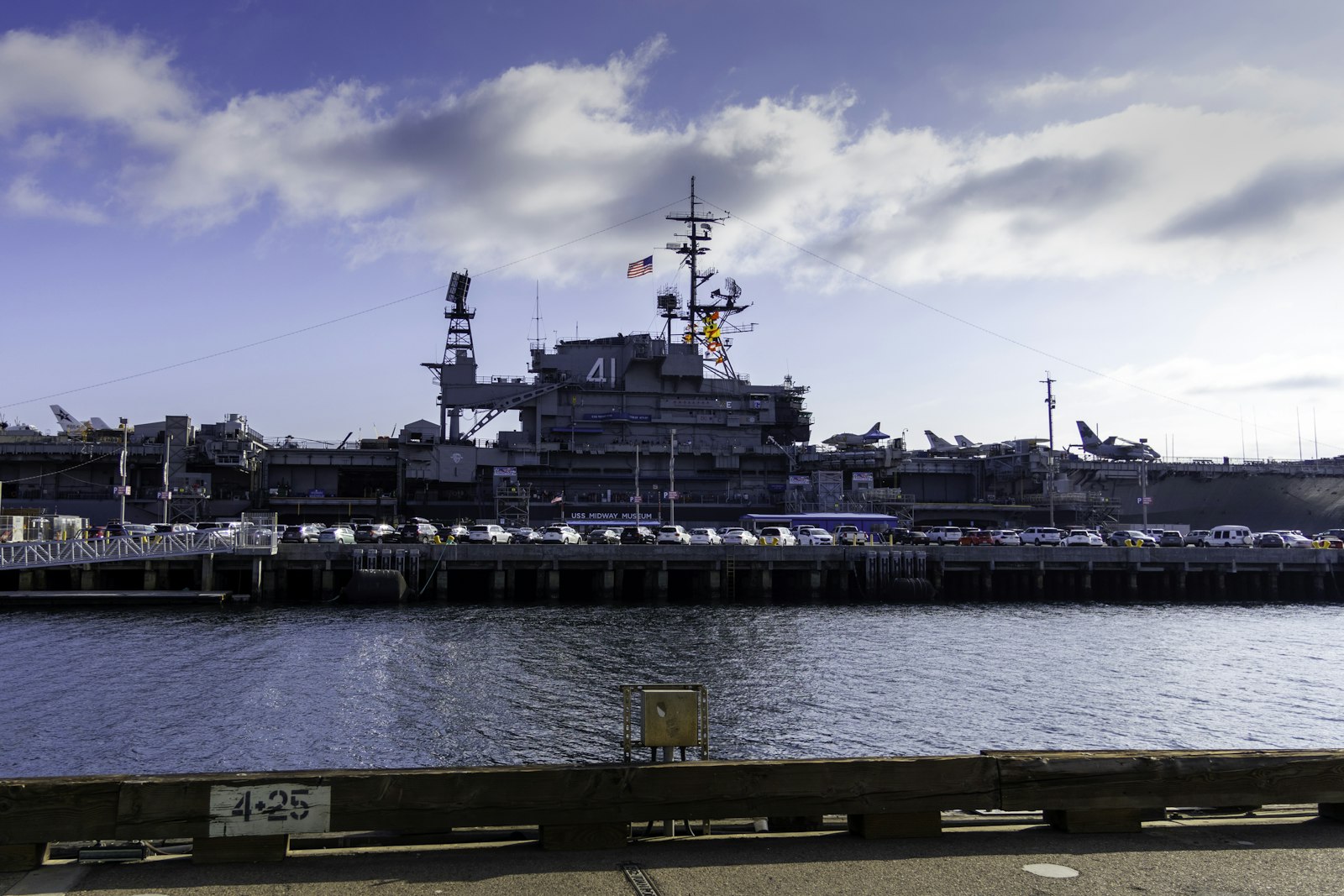
Why Japan went after Midway
Midway is a small atoll about 1,000 miles northwest of Honolulu. In 1942 it held a U.S. base with an airfield, which made it a target worth taking.
Japanese Admiral Isoroku Yamamoto wanted to finish what Pearl Harbor had started. HISTORY sums up his plan as a bid to "destroy the U.S. Pacific Fleet before it was large enough to outmatch his own." He had reason to think the odds were good. After the Battle of the Coral Sea in May, the Japanese believed they had sunk both of the U.S. carriers there.
The codebreakers
They hadn't, and the Americans knew a great deal about what was coming. Navy cryptanalysts had started breaking Japanese naval codes early in 1942. Samuel Cox, director of the Naval History and Heritage Command, writes that Admiral Chester Nimitz's intelligence came "to a significant degree" from breaking part of the Japanese navy's operational code, known as JN-25B.
One gap remained. Intercepted messages kept referring to the target as "AF." The National WWII Museum describes how the Americans settled it: Midway sent out a false report that it was short of fresh water, and soon a Japanese message noted that "AF" was short of water. Station Hypo, the codebreaking unit in Hawaii, also worked out the likely date of the attack, June 4 or 5, and the order of battle the Japanese would bring.
That let Nimitz have his three carriers at sea and waiting when the Japanese arrived, instead of being surprised a second time.
The forces on June 4
On paper Japan had the stronger fleet. In the air, once the planes based on Midway are counted, the Americans actually had more. Cox counts the aircraft each side could put up on the morning of June 4:
| Japan | United States | |
|---|---|---|
| Carriers | Akagi, Kaga, Soryu, Hiryu | Enterprise, Hornet, Yorktown |
| Other air bases | None | Midway's airfield |
| Aircraft | 248 | 360 |
The American carriers' strike planes were TBD Devastator torpedo bombers and SBD Dauntless dive bombers. The aircraft on Midway included B-17 bombers and PBY Catalina flying boats.
Next guide: Billy Mitchell
The airman who argued in the 1920s that bombers could beat battleships, and paid for it.
June 4: the five minutes
American scouts spotted the Japanese occupation force heading for Midway on June 3. HISTORY dates the start of the four-day battle to June 4, with a torpedo attack by a PBY Catalina on a Japanese tanker transport. The main event came that morning, when an advance strike of more than 100 Japanese bombers and Zero fighters from the four carriers hit Midway and badly damaged the base. Admiral Nagumo, commanding the carriers, still had a reserve strike of 107 planes in hand. Planes from the island attacked the Japanese fleet and took heavy losses. Of six TBF torpedo bombers flying from Midway, Cox notes, five were shot down.
The American carriers launched their strikes, and it didn't go smoothly. By Cox's count, at 9 a.m. there were 152 U.S. carrier planes on their way to the Japanese carriers, and 77 of them were heading in directions that would miss the target entirely. They flew in at least seven separate groups with no coordination between them.
The torpedo squadrons found the Japanese first and paid for it. Of 41 Devastators that attacked, only three made it back to their carriers.
Then the dive bombers arrived. Lieutenant Commander McClusky led 33 SBDs from Enterprise, and 17 more from Yorktown reached the Japanese carriers at about the same moment. Within five minutes, Akagi, Kaga and Soryu were burning and mortally damaged. Cox writes that "to the extent there was a 'miracle' at Midway it was a freak sequence of events."
The fourth carrier, Hiryu, came through the morning attack untouched. Both of the strikes she launched in reply hit Yorktown.
That afternoon a scout plane from Yorktown found Hiryu, and Enterprise's dive bombers attacked her around 5 p.m. She burned, could no longer launch aircraft and was scuttled the next morning. Japan had lost all four of the carriers it brought.
June 5 to 7: the end of it
Over the next two days American aircraft chased the retreating Japanese fleet. On June 6, U.S. dive bombers sank the heavy cruiser Mikuma. The same day the Japanese submarine I-168 hit the damaged Yorktown and the destroyer Hammann, sinking Hammann. Yorktown stayed afloat through the night and went down at dawn on June 7.
Get the briefing
New battle histories and explainers, one email at a time and only when they're ready.
The losses, and why the numbers differ
Published counts of the dead don't agree, and the two used here are a good example. Treat the personnel figures below as estimates.
| Loss | National WWII Museum | HISTORY |
|---|---|---|
| Japanese ships | 4 carriers, 1 cruiser | 4 carriers, 1 heavy cruiser |
| Japanese aircraft | "Hundreds" | 292 |
| Japanese personnel | About 3,057 men | About 2,500 casualties |
| U.S. ships | 1 carrier, 1 destroyer | Yorktown and Hammann |
| U.S. aircraft | 144 | 145 |
| U.S. personnel | About 362 men | 307 casualties |
The carrier count is the one that shaped the rest of the war: four lost on the Japanese side, one on the American.
Why it's called the turning point
HISTORY describes Midway as one of the most decisive U.S. victories of the war against Japan, a battle that brought Japanese and American sea power to "approximate parity." The National WWII Museum puts it in terms of what came next: the win stopped Japan's expansion across the Pacific and opened the way for the island hopping campaigns and bigger naval battles that followed. The first American counteroffensive came two months later, at Guadalcanal in August 1942, and the push it began did not stop until Japan surrendered three years later.
None of that was certain on the morning of June 4. About half the American carrier planes sent out that morning were flying the wrong way, and most of the torpedo bombers never came home. The outcome turned on intelligence work done months earlier in Hawaii and on two groups of dive bombers that happened to arrive over the same spot at the same time.
It also showed how far naval war had moved toward the airplane. All four Japanese carriers were wrecked by American dive bombers. Billy Mitchell had argued in the 1920s that aircraft would decide war at sea, and his outspokenness cost him his career; our piece on Mitchell and American airpower tells that story. Carriers still anchor the Navy's strike groups, as our guides to Nimitz and Ford class carriers and to how a carrier strike group is built explain.