What MEPS checks, and what it doesn't
Military Entrance Processing Stations exist to "evaluate applicants by applying established DoD standards during processing for military service," in the words of the command that runs them. You only go once your recruiter has handled the first round of paperwork and screening and put you on the schedule.
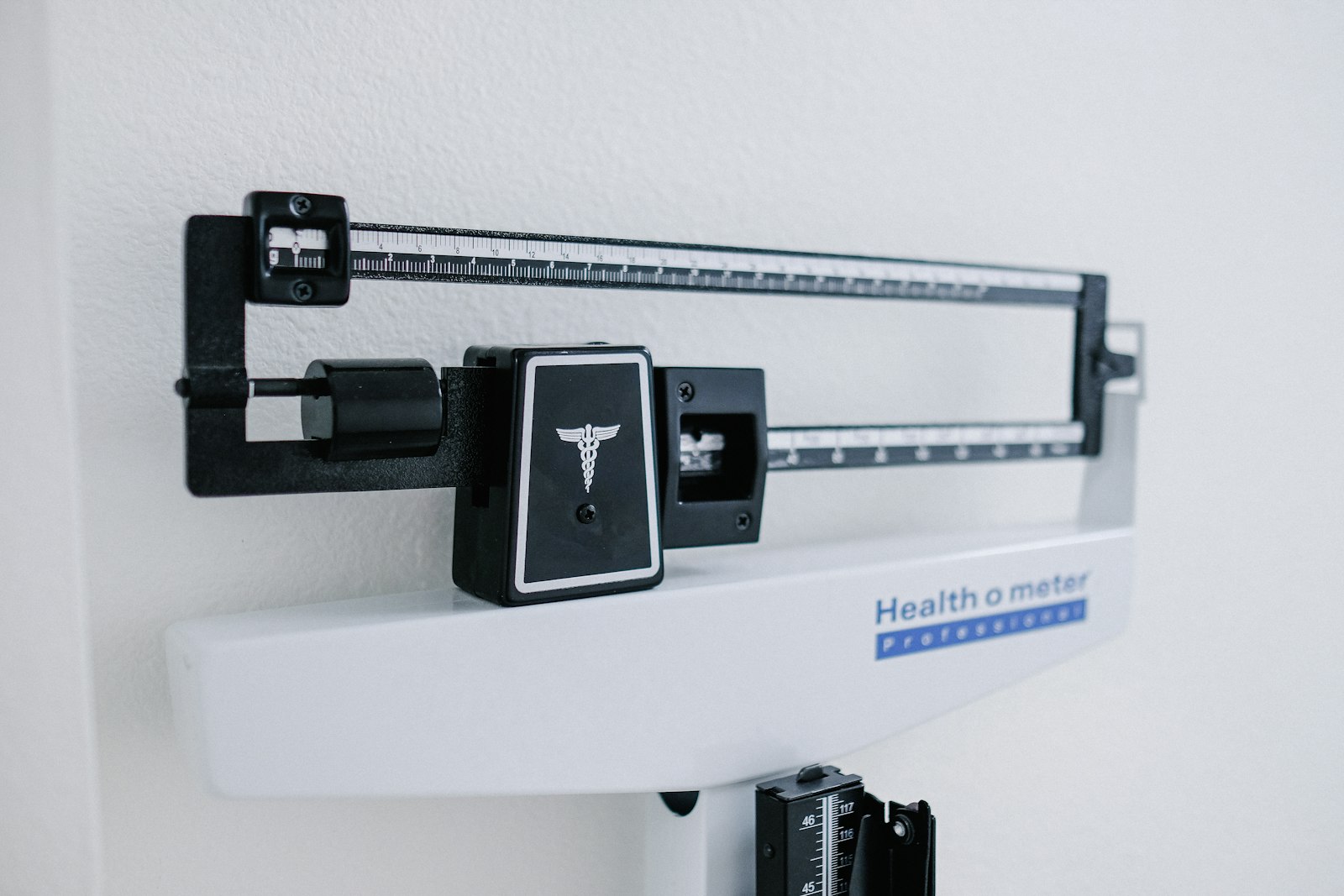
The day centers on a medical exam. There is no fitness test. The Navy, for one, says enlisted applicants don't have to meet any physical fitness requirement before joining. What MEPS does measure is your height, your weight and, if you're over the limit, your body fat. Those numbers, taken by the MEPS medical staff, are the official ones for your enlistment, even if your recruiter's scale said something different. Our guide to the MEPS physical covers the rest of the exam.
Step one: height and weight
Height is taken without shoes or socks and rounded up to the nearest half inch. Weight is taken in your underwear and rounded to the nearest pound. Both go on DD Form 2808, your medical exam record.
Each branch's recruiting command sets its own maximum weight for each height, and MEPS applies it. At or under the number for your height, you're done with this part. Over it, you count as overweight by that branch's standard and move on to a body fat measurement. Marine Corps applicants are the exception: MEPS doesn't tape them unless the Marine Corps asks.
MEPS medical staff aren't allowed to take courtesy measurements, so you can't stop by for a practice reading.
Step two: the tape
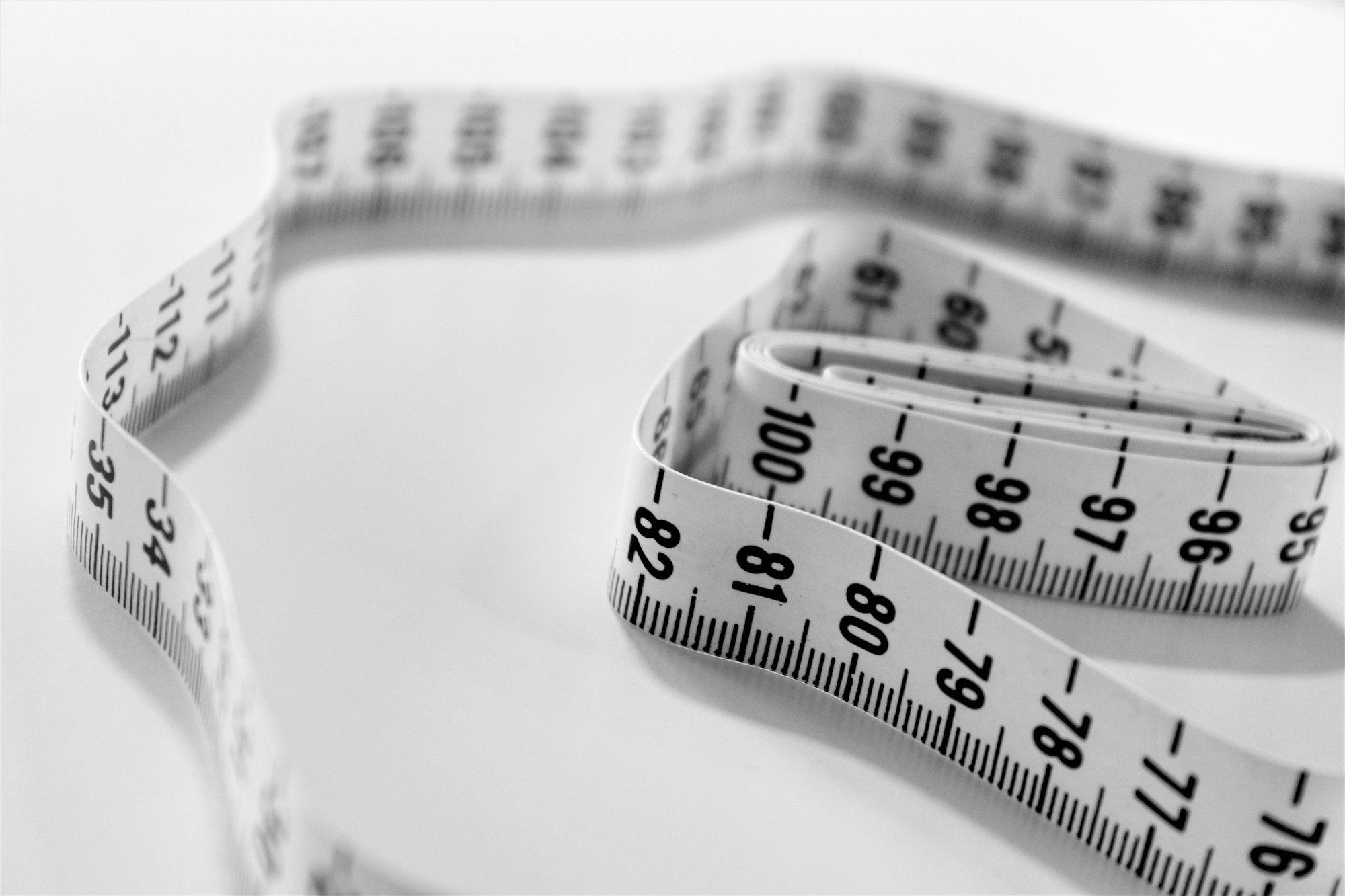
The tape test is done by trained MEPS staff with a Gulick II tape. It's a narrow, non-stretch tape with a spring-loaded handle, so every measurement gets the same tension, and it's the only tape MEPS may use on applicants. The measurements go into a body fat worksheet built on the Pentagon's charts for men and women.
MEPS's public rules don't list the body sites. They point to an internal procedure instead. Under the long-standing method, men were measured at the neck and waist and women at the neck, waist and hips, and the results were run through a formula along with height.
The body fat limits, branch by branch
The Pentagon sets the outer bounds. A branch's body fat limit can't be looser than 26 percent for men and 36 percent for women, or stricter than 18 and 26 percent. Inside that range each branch picks its own line, and the way applicants get screened now differs more than it used to.
| Branch | How applicants are screened | Published limit |
|---|---|---|
| Army | Waist-to-height ratio | Below 0.55 |
| Navy | Weight chart, then abdominal circumference and BMI | 26% body fat for men, 36% for women, to enter boot camp |
| Air Force | BMI up to 27.5, then a body fat measurement | 26% for men, 36% for women |
| Marine Corps | Weight chart; MEPS tapes Marine applicants only on request | Ask your recruiter |
| Coast Guard | Its own rules, outside the Pentagon's | Ask your recruiter |
The Air Force numbers are newer than a lot of what's online. They went up from 20 percent for men and 28 percent for women in April 2023. If a guide tells you men can be up to 28 percent, it's out of date: no branch can go above 26.
The switch to waist-to-height ratio
The Pentagon has rewritten its body composition rule around one number: your waist divided by your height. The limit is "less than 0.55." The waist is measured midway between your lowest rib and the top of your hip bone, standing and breathing normally, with a non-stretch tape held level. Both numbers are rounded down to the nearest half inch. Anyone at 0.55 or above gets a body fat calculation as a second check.
The math is simple. At 70 inches tall, 0.55 works out to a 38.5-inch waist, so you'd need to measure under that.
The branches took it in different directions. The Army made the ratio its only measurement for soldiers and dropped the tape test altogether. The Marine Corps set a stricter line of 0.52 and still uses the tape, or a bioelectrical impedance scan, for Marines over it.
That rule is written for people already in uniform, and the recruiting side hasn't caught up evenly. GoArmy tells applicants the Army "uses waist-to-height ratio (WHtR) instead of height and weight" and that a ratio below 0.55 meets the standard. The Navy and Air Force recruiting sites still describe a weight or BMI check first. Military.com has reported that applicants at MEPS are still being screened against height and weight tables. So ask your recruiter which measurement your branch will use at your MEPS, and get the answer in plain numbers.
If you're over the limit
Coming in over doesn't end your enlistment. MEPS records it as a temporary disqualification and gives you a date to come back. The wait is four days for every pound you need to lose or 16 days for every percentage point of body fat, whichever is shorter. Ten pounds over would mean 40 days and two points over would mean 32, so you'd get the 32.
MEPS can't make an exception for height or weight, because those standards belong to the branches. A branch can ask MEPS to record a full disqualification instead, so you can apply for a waiver. Our guide to your chances of a medical waiver explains how waivers work.
Two branches also run prep courses for recruits who are close:
- The Army's Future Soldier Preparatory Course has a fitness track that runs up to 90 days, to get you to the required waist-to-height ratio before basic training.
- The Navy's Future Sailor Preparatory Course takes recruits up to 6 percent above the Navy's accession body fat standard. The main program is three weeks, and you can stay up to 90 days.
Next guide: the MEPS physical
The exam, the paperwork and the questions to expect on processing day.
How accurate is the tape?
Not very, say its critics, and they have numbers. When the Pentagon made the tape its required method in 2002, it put the error at "plus or minus 1 percent." Researchers have long argued it isn't the most accurate measure of body fat, and Military Times put that to a test. It taped 10 service members who had all scored at least "excellent" on their fitness tests, then sent them for hydrostatic, or dunk tank, testing. The tape never matched. It read higher in nine of the ten cases, and the closest result was still nearly 12 percent off.
One of them, an Army Apache pilot with a perfect fitness score, taped at 21 percent against a 22 percent limit. In the tank he measured 15.4 percent. A sports scientist in Denver told the paper the tape could be off by as much as 15 percent either way because "it doesn't account for muscle, it just accounts for size."
The tape has its defenders. A retired Army lieutenant general quoted in the same piece called it "a cheap, easy and easily administered test."
Get the briefing
One short email when a new guide on joining up goes live.
Before you go
- Ask your recruiter which method your branch uses for applicants right now: a weight chart, BMI, waist-to-height ratio or a tape test.
- Measure yourself the way the Pentagon describes: tape level, halfway between your lowest rib and the top of your hip bone, standing up and breathing normally. Divide by your height in inches.
- Don't count on a practice reading at MEPS. Staff there can't take courtesy measurements.
- If you're close to the line, ask about the prep courses and the return-date rules before you schedule your trip.
Heading to MEPS soon? Our guides to the MEPS physical, medical waivers and Air Force basic training cover the next steps.
Sources
- USMEPCOM: About Us
- USMEPCOM Regulation 40-1, Medical Qualification Program
- Instruction 1308.03, Physical Fitness/Body Composition Program
- Army Directive 2026-13, Army Body Composition Program
- GoArmy: requirements to join
- Navy: joining requirements
- Navy Recruit Training Command: Future Sailor Preparatory Course
- Military Times: Navy prep course aims to launch hundreds of recruits into the fleet
- Air Force: how to join
- Flying: U.S. Air Force eases body fat requirements
- Marines: Marine Corps revises body composition standards
- Military.com: how the waist-to-height ratio affects new recruits
- Military Times: Experts say tape test has huge margin of error
- Air & Space Forces: DOD gives services more options for measuring body composition