







The road in
Nearly everyone who enlists follows the same sequence, whatever the branch. It starts with a recruiter, who does the first paperwork and a medical prescreen and then schedules a trip to one of 65 Military Entrance Processing Stations. That visit usually takes a day or two. Anyone without an ASVAB score sits the test there. Then you go through a full medical exam, pick a job with a counselor, sign a contract and take the oath, often all in one trip.
Most new recruits don't leave for training that day. They wait in the Delayed Entry Program for a ship date, then get a short repeat exam on departure day to confirm nothing has changed. Future officers take separate routes into uniform, and our guide to officer paths sets them side by side.
The medical bar
The exam is where most enlistments stall. Every service grades applicants against Volume 1 of the Pentagon's medical standards instruction, 6130.03, and it's a demanding list. According to Military Times, the stations performed 312,000 medical exams in fiscal 2024 and turned away more than a third of applicants at the first look. Waivers brought that down to roughly one in five.
Waivers matter a great deal. A Defense Department inspector general review found that the services approved 77 percent of the 54,206 medical waiver requests they handled across fiscal 2021 and 2022, though approval rates ran from 65 percent in the Air Force to 98 percent in the Marine Corps. Dr. Katie Helland, who ran accession policy at the Pentagon, put the share of young Americans able to join with no waiver of any kind at about 23 percent in 2024.
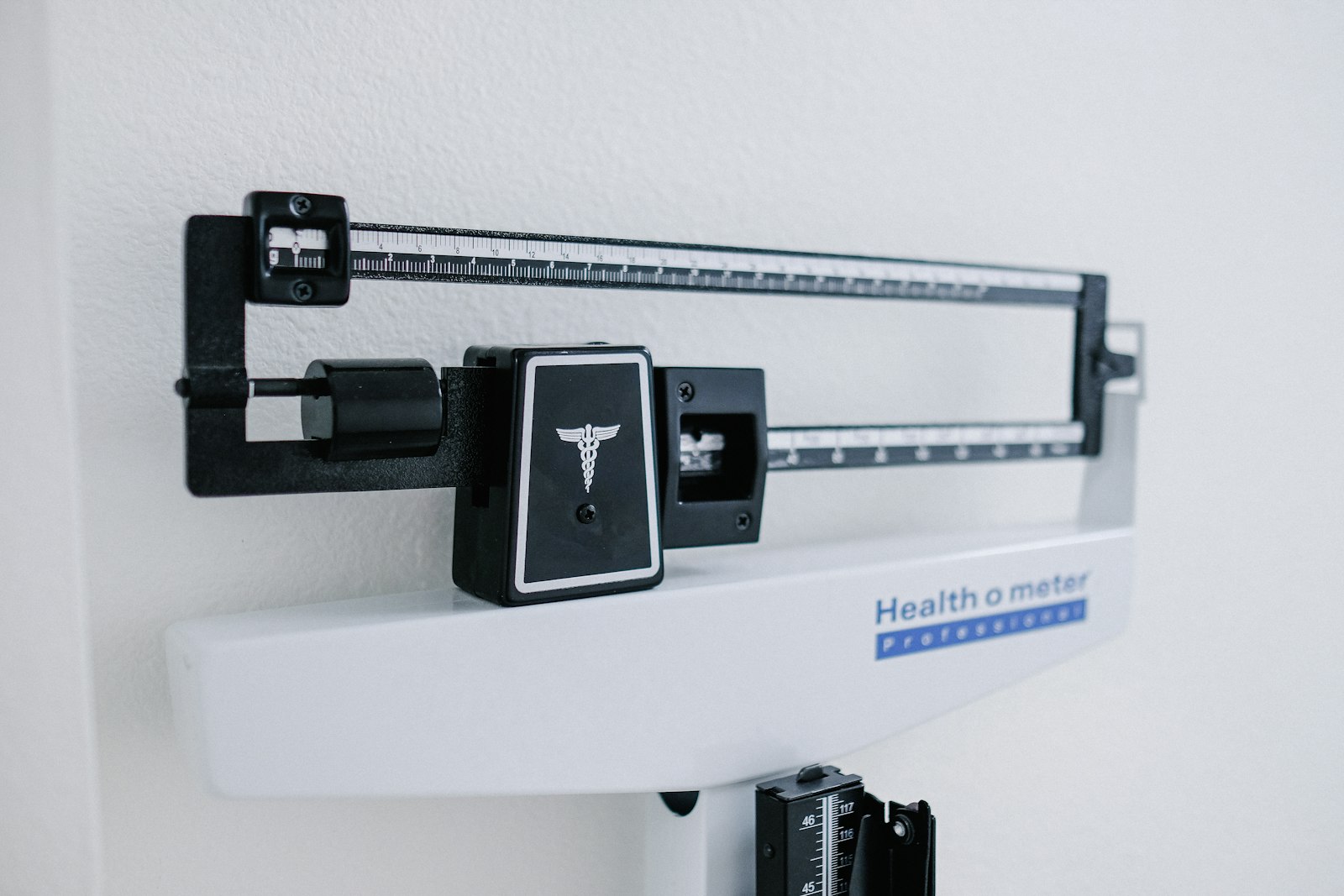
Size is screened separately, and each branch sets its own limits. The Army now judges applicants on a waist-to-height ratio. The Navy publishes a weight chart by height. The Air Force and Space Force use body mass index, with a body fat measurement for anyone above 27.5. The numbers are in our branch-by-branch size rules.
Next guide: processing day
The night at the hotel, the briefing, the exam and the oath, step by step.
What changed in 2025 and 2026
Recruiting rules moved fast over the past two years, and older advice online is often wrong. Defense Secretary Pete Hegseth signed a memo on July 11, 2025, that put 13 medical conditions beyond any waiver and reserved 13 others for a service secretary's personal sign-off. From May 4, 2026, MEPCOM began halting applicants at the prescreen if their history includes one of 28 conditions on a list of rarely approved cases, so they never reach a station.
Body composition changed too. A reissued Pentagon instruction, effective August 31, 2026, made 0.55 the waist-to-height ceiling for service members. The Army's recruiting site now applies that ratio to applicants as well, while the Navy and Air Force sites still start with weight. Each of our guides notes where official sources haven't caught up with one another, and each lists the documents it was checked against.
Using these guides
If you're early in the process, read about processing day first, then the physical. If something in your medical history worries you, the disqualifiers guide covers what the standards actually say, and the waiver guide covers how exceptions are decided. Applicants near a weight limit should read the height and weight comparison alongside the tape test explainer.
This site is independent and doesn't recruit. Your recruiter and the MEPS medical staff will always have the final word on your case, so take the questions these guides raise to them.
Sources
- GoArmy: Processing and screening (MEPS)
- Military.com: What happens to military recruits at MEPS?
- Military Times: Pentagon drops 51 disqualifying conditions as part of recruiting push
- MOAA (from Military.com): DoD to review list of disqualifying medical conditions
- Task & Purpose: Pentagon program makes it easier to enlist with ADHD, asthma
- Secretary of Defense memo: Medical Conditions Disqualifying for Accession into the Military (July 11, 2025)
- FOX Local: Military adds new rule to screen out certain medical conditions early
- Instruction 1308.03, Physical Fitness/Body Composition Program