The short answer
The U.S. Navy doesn't field anything it calls a cruiser battle group. Its carriers sail in carrier strike groups, a name adopted on October 1, 2004, when the old carrier groups and cruiser-destroyer groups were redesignated. Before that, through the 1990s, the Navy talked about carrier battle groups.
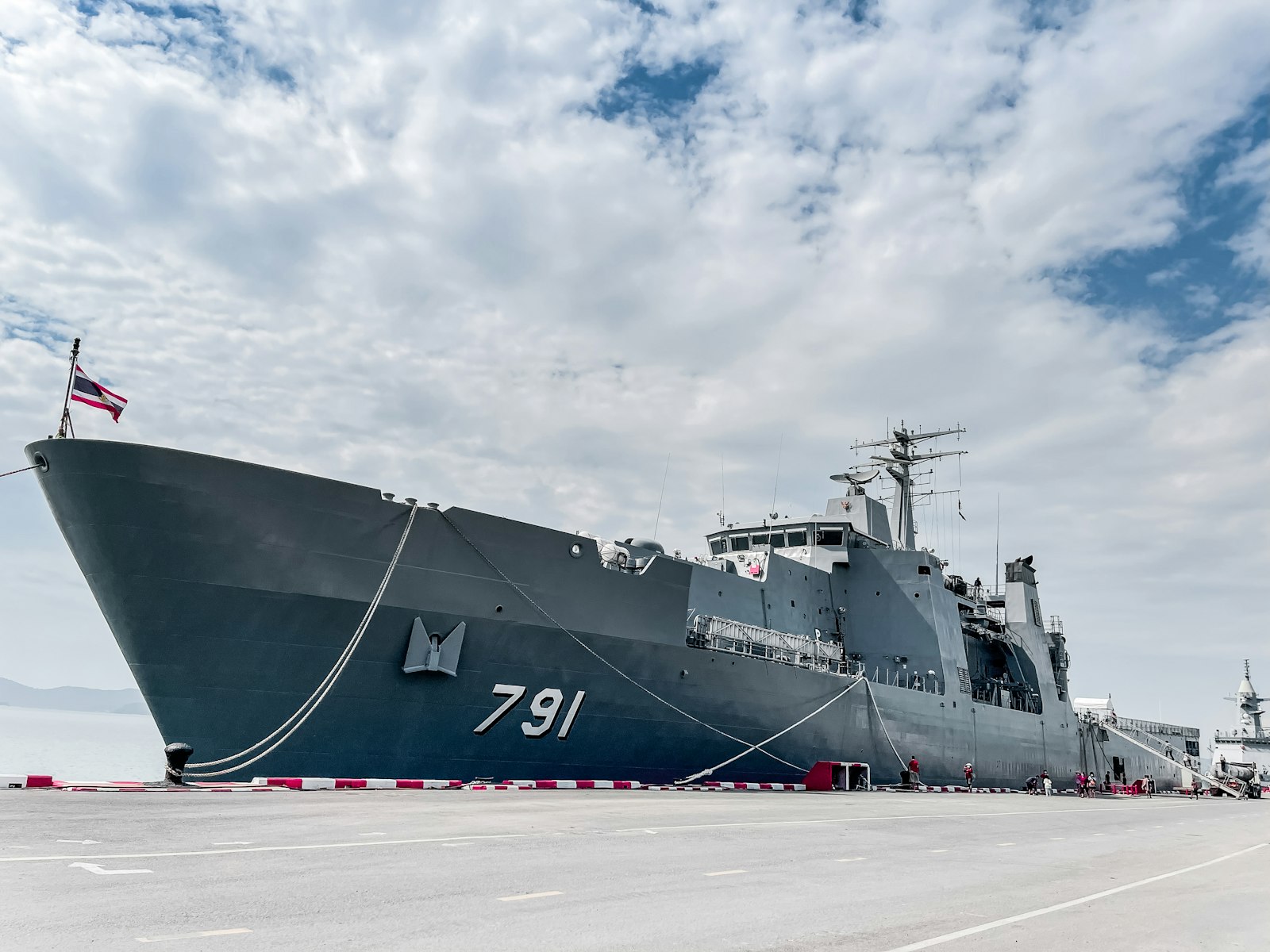
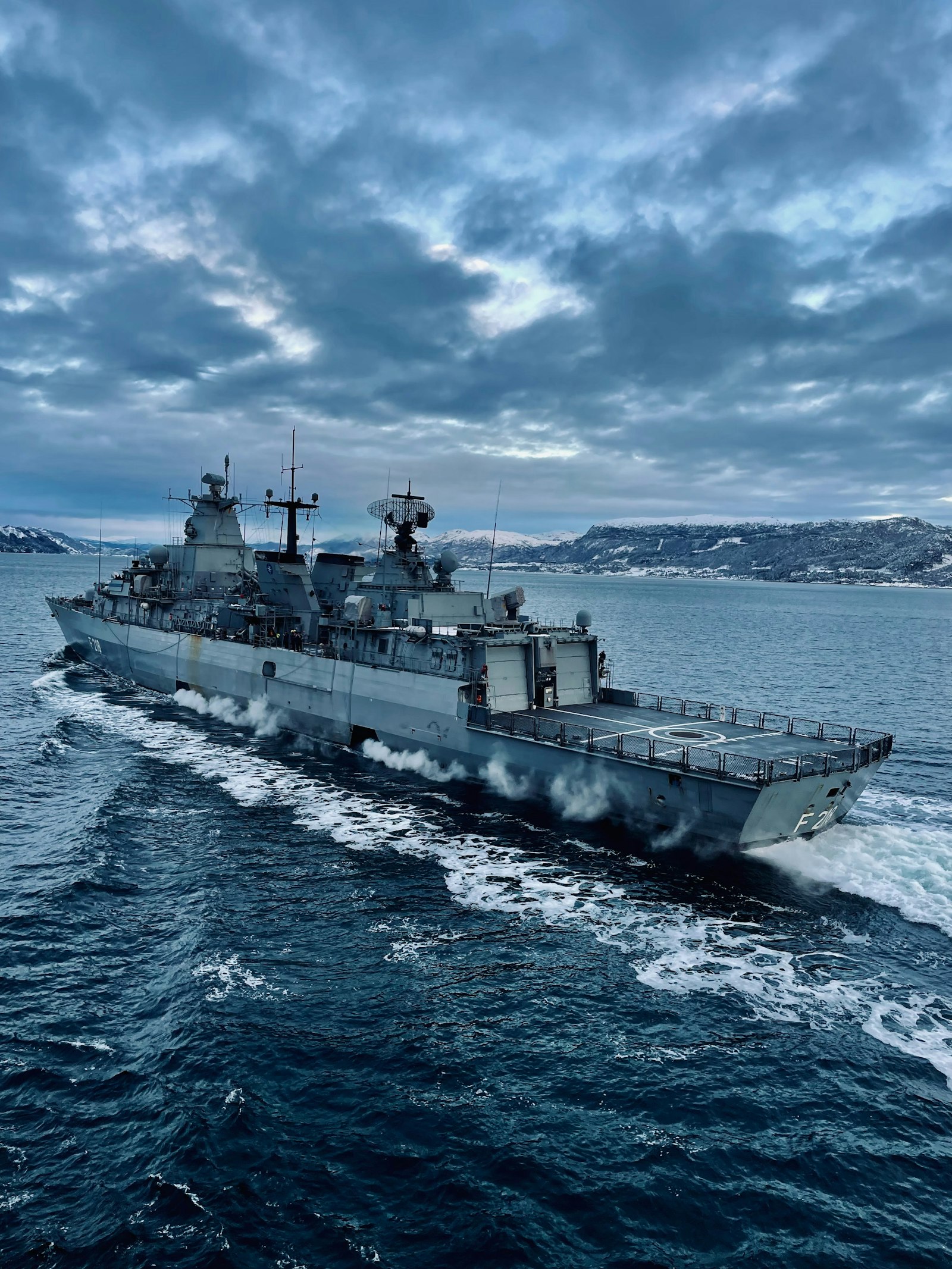
A formation of warships with no carrier has a different name: a surface action group. The Pentagon's dictionary of military terms defines it as "a temporary or standing organization of combatant ships, other than carriers, tailored for a specific tactical mission." That's the closest real thing to a cruiser battle group.
So the honest comparison is a carrier strike group against a surface action group. Because it brings an air wing, the carrier group can reach farther and take on more kinds of work. The cruiser's place is inside the carrier group, not as a rival to it.
What a carrier strike group is
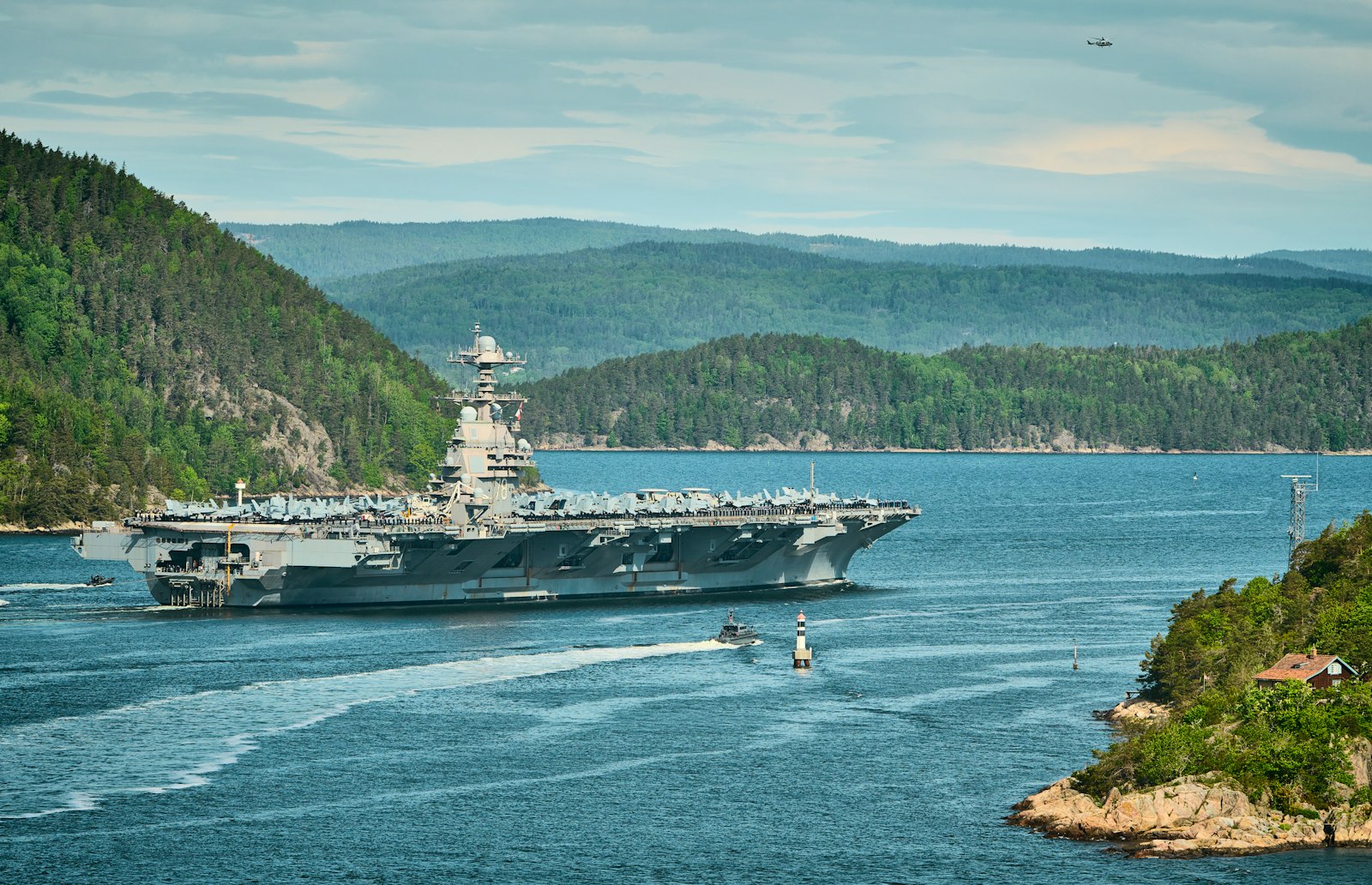
Each carrier strike group forms around one nuclear powered aircraft carrier and its air wing. The usual escorts are at least one cruiser and two or more destroyers or frigates. A submarine and a supply ship sometimes sail with the group as well. Add it up and you're looking at roughly 7,500 people, with an air wing of 65 to 70 aircraft on the carrier's deck and in its hangar.
Those numbers are typical, not fixed. The Navy itself has said there's "no real definition" of a strike group, and the mix of escorts changes from one deployment to the next.
The number of carriers has a legal floor. The Congressional Research Service notes that federal law requires "not less than 11 operational aircraft carriers," and the Navy has 11: ten of the Nimitz class and one of the newer Ford class. The law also sets a minimum number of carrier air wings, currently nine and due to rise to ten. Our comparison of the Nimitz and Ford classes covers the ships themselves.
Next guide: Nimitz vs. Ford class carriers
The two carrier designs at the center of every strike group, side by side.
What the cruiser does in the group
The Navy's cruisers are the Ticonderoga class, built around the Aegis combat system and its SPY-1 radar. Twenty-seven were built, and the lead ship was commissioned on January 22, 1983. Each carries a crew of about 330.
In a strike group the cruiser's main job is defending the force against air and missile attack. Defense News describes the cruisers as the ships that "act as the lead air defense ship in a carrier strike group." They also carry more missiles than the Burke class destroyers that sail with them. From the CG-52 onward, each cruiser has two 61-cell Mk 41 vertical launch systems, 122 cells in all. Defense News points out that's 26 more than an Arleigh Burke Flight IIA destroyer and 32 more than a Flight I.
Every cruiser retired takes 122 launch cells out of the fleet at once, and Congress has pushed back on retirement plans before.
What a "cruiser battle group" would really be
When the Navy brought its four Iowa class battleships back into service, it built formations around them that were sometimes called battleship battle groups and sometimes surface action groups. A typical one paired a modernized battleship with a Ticonderoga cruiser, a Kidd or Arleigh Burke class destroyer, a Spruance class destroyer, three Oliver Hazard Perry class frigates and a replenishment ship.
That's about as close to a cruiser battle group as the Navy came. The difference from a carrier group is simple. A surface action group fights with what's on its ships, mainly missiles and guns. It has no fixed-wing air cover of its own and no air wing to scout or strike beyond the reach of its own weapons.
Side by side
| Carrier strike group | Surface action group | |
|---|---|---|
| Centerpiece | Nuclear aircraft carrier | Surface warships only, by definition |
| Typical escorts | At least one cruiser, two or more destroyers or frigates | Built for the mission: cruisers, destroyers or frigates |
| Aircraft | Air wing of about 65 to 70 | No fixed-wing aircraft |
| People | About 7,500 | Depends on the ships assigned |
| Main strength | Strikes and scouting at long range by air, plus ship-launched missiles | Ship-launched missiles and guns |
| Standing or temporary | Standing command | Temporary or standing |
The cruisers are leaving
All of this is becoming history. In 2019 the Navy still had 22 Ticonderogas, and Defense News reported plans to retire six of them in 2021 and 2022, all at or near their 35-year service lives. The ships had hull cracking, aging pipes and machinery, and SPY-1 radars that needed constant attention as parts wore out.
The Congressional Research Service says the Navy began retiring the remaining 22 in fiscal 2022 and wants all of them gone by the end of fiscal 2027. By the end of fiscal 2025, just seven were left among the Navy's 84 large surface combatants.
The Arleigh Burke destroyers are picking up the load. CRS counts 75 of them delivered as of October 1, 2025, with 22 more under construction. Many of those ships, along with the remaining cruisers, are fitted for ballistic missile defense; CRS reports the Navy expects 63 such Aegis ships by the end of fiscal 2026. The same Aegis system also sits on land in Europe, as our piece on the missile defense base at Deveselu describes.
Get the briefing
Navy explainers like this one, sent by email when we publish. Easy to unsubscribe.
What comes next
The Navy's plans for the fleet after the cruisers are still in flux. CRS notes that both the 355-ship goal set in 2016 and the 381-ship goal from 2023 kept 12 carriers. A newer force goal known as the Golden Fleet hadn't been released in detail as of January 2026, but CRS says it lists 15 to 25 battleships and 50 to 65 frigates. Whether those ships get built, and how they would sail, is still an open question.
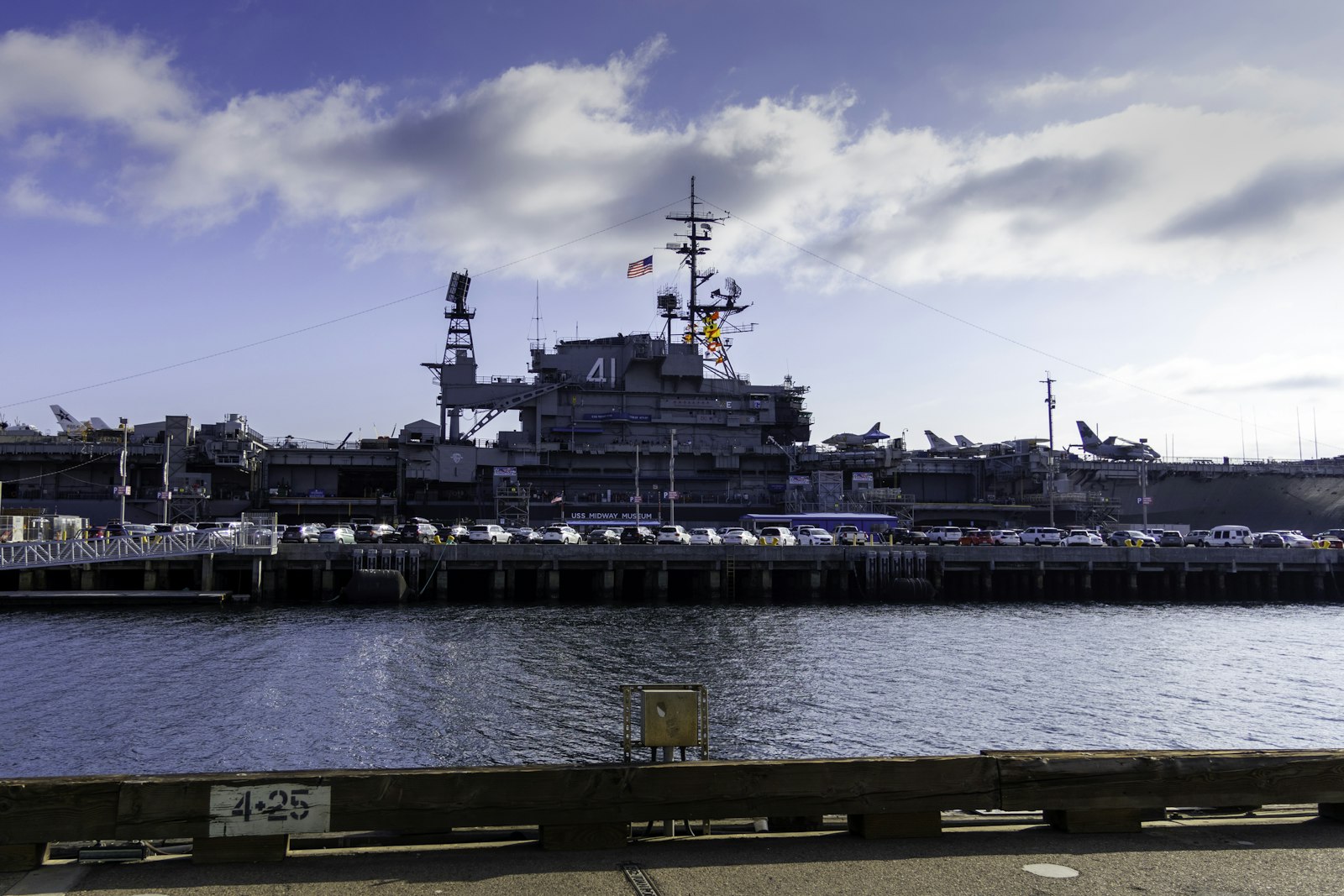
For now, the carrier strike group remains how the Navy sends its main striking power to sea, with destroyers doing more of the escort work each year. It's a line that runs back to 1942, when carrier aircraft decided the Battle of Midway.
Sources
- Defense News: Once again, the US Navy looks to scrap its largest combatants to save money (2019)
- Congressional Research Service: Navy DDG-51 and DDG-1000 destroyer programs (RL32109)
- Congressional Research Service: Navy force structure and shipbuilding plans (RL32665)
- Congressional Research Service: Navy Ford (CVN-78) class aircraft carrier program (RS20643)
- Congressional Research Service: Navy Aegis ballistic missile defense program (RL33745)
- Wikipedia: Carrier strike group
- Wikipedia: Ticonderoga-class cruiser
- Wikipedia: Surface action group