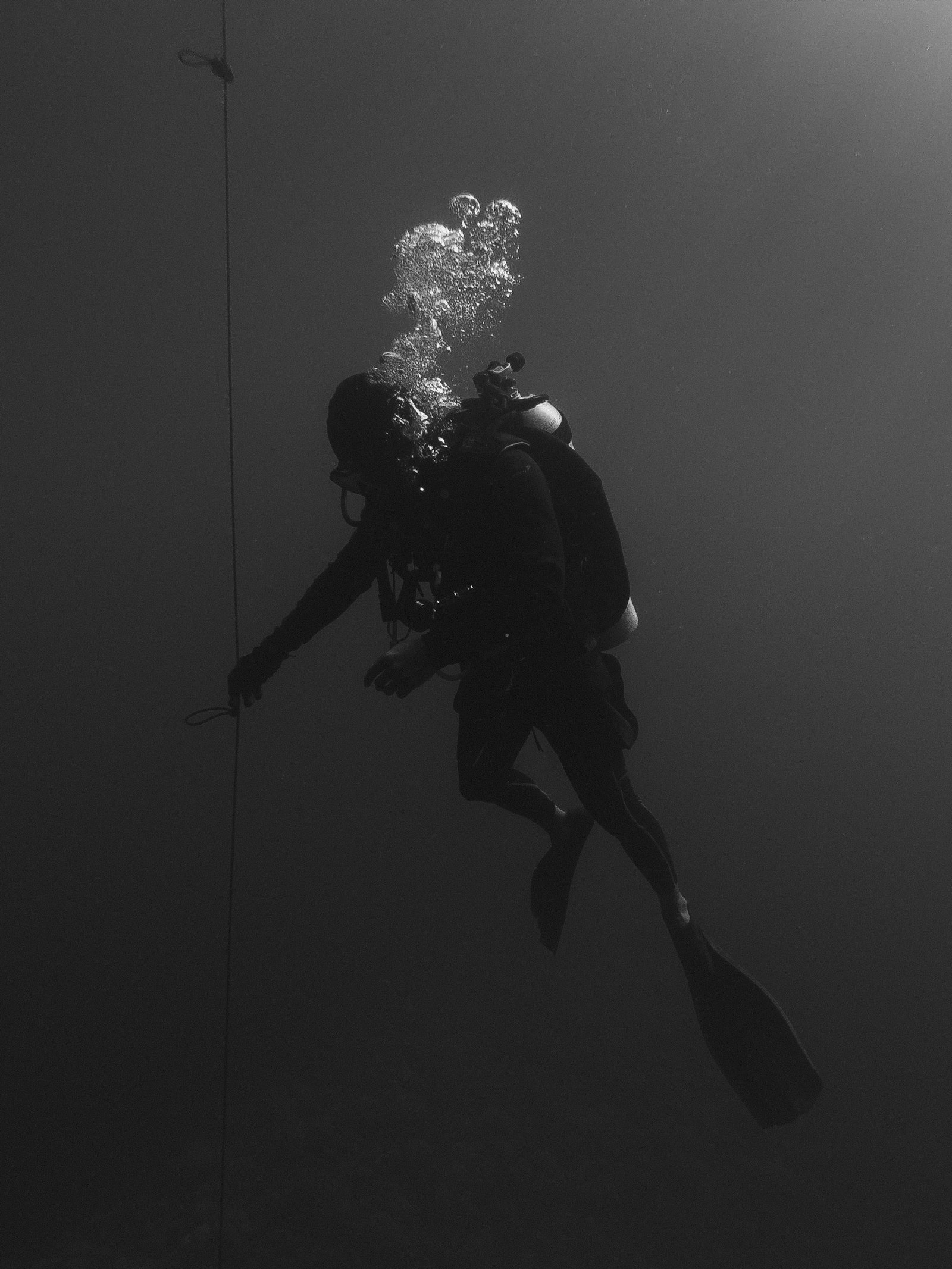
What SEALs actually do
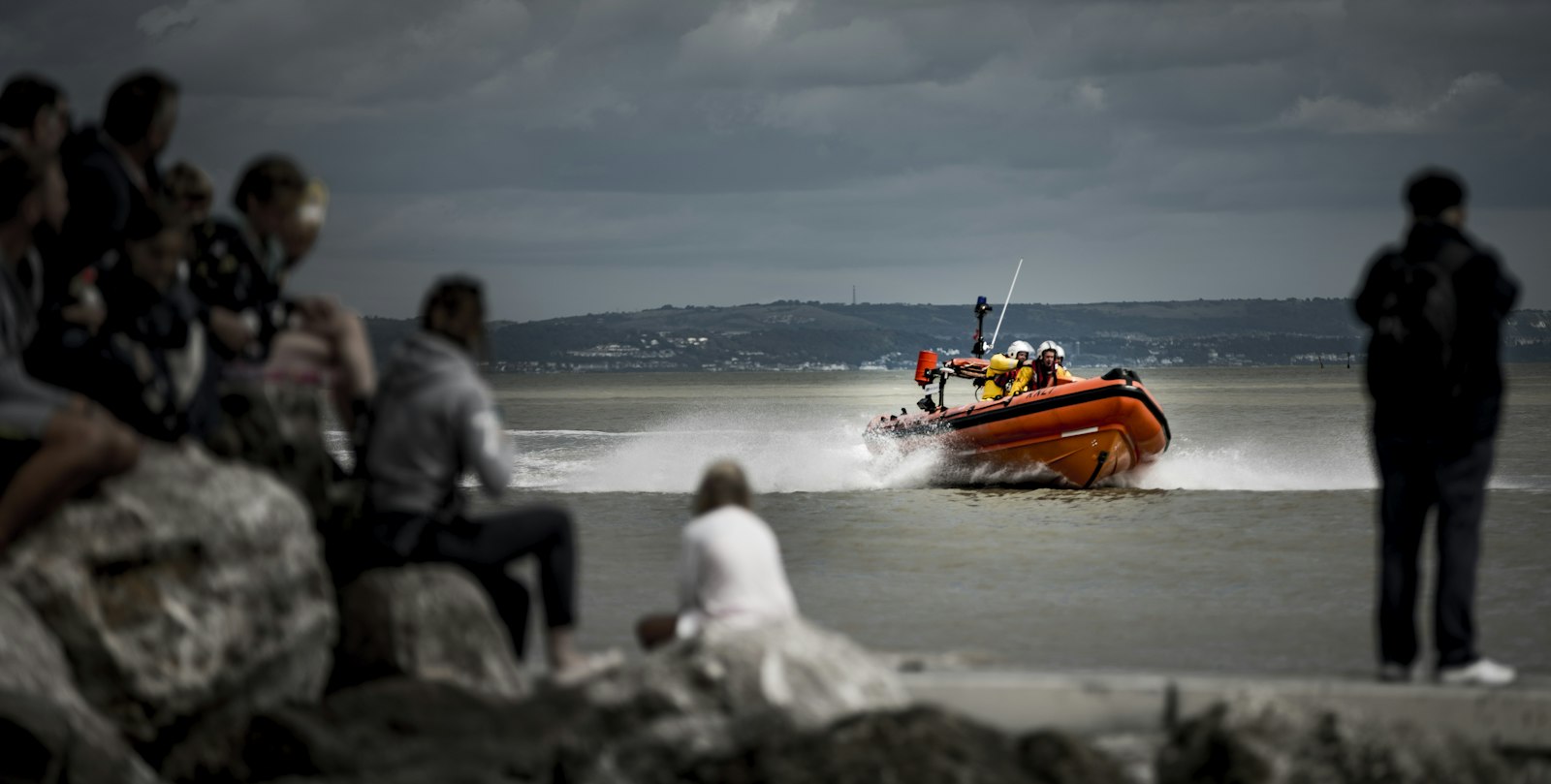
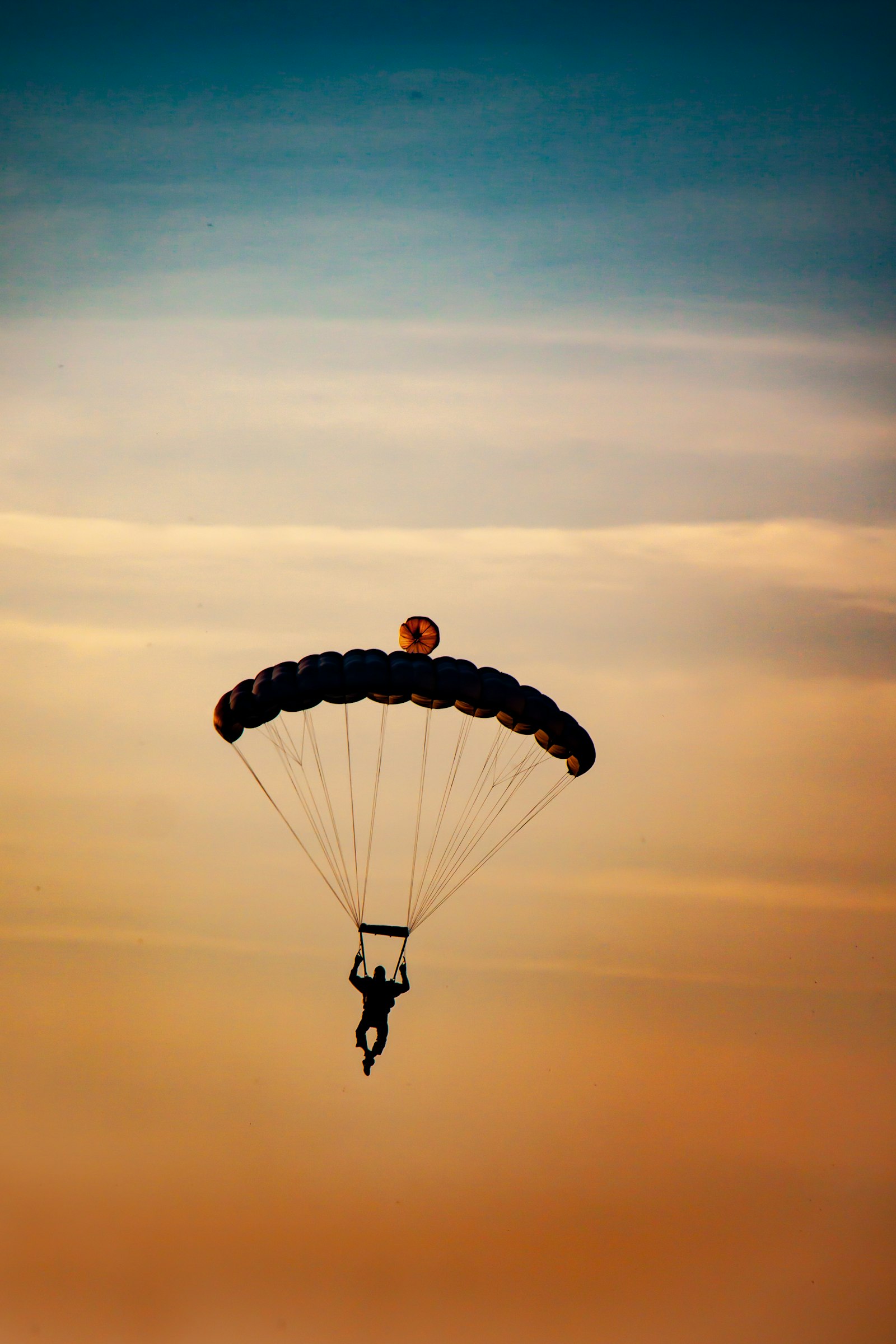
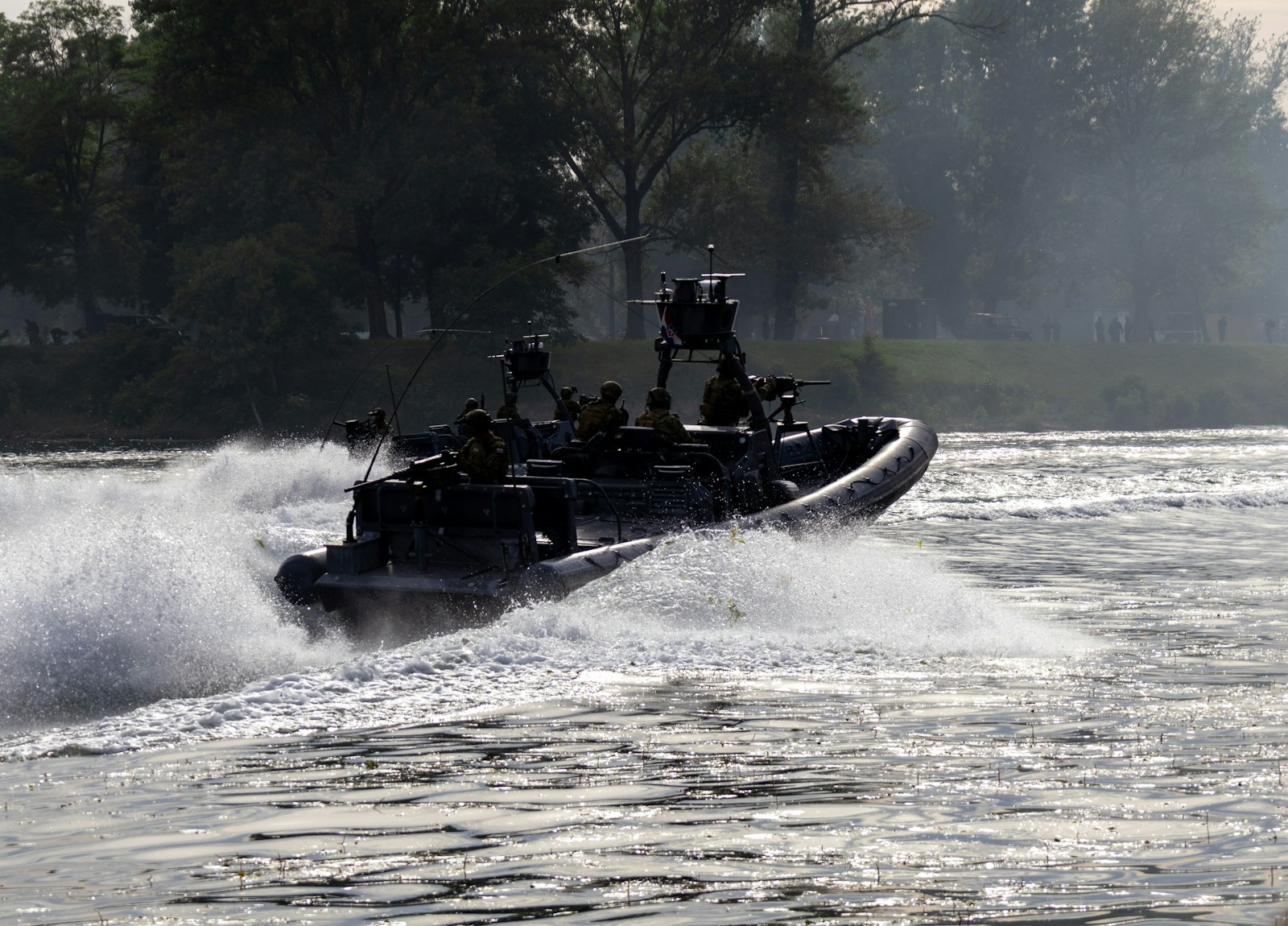
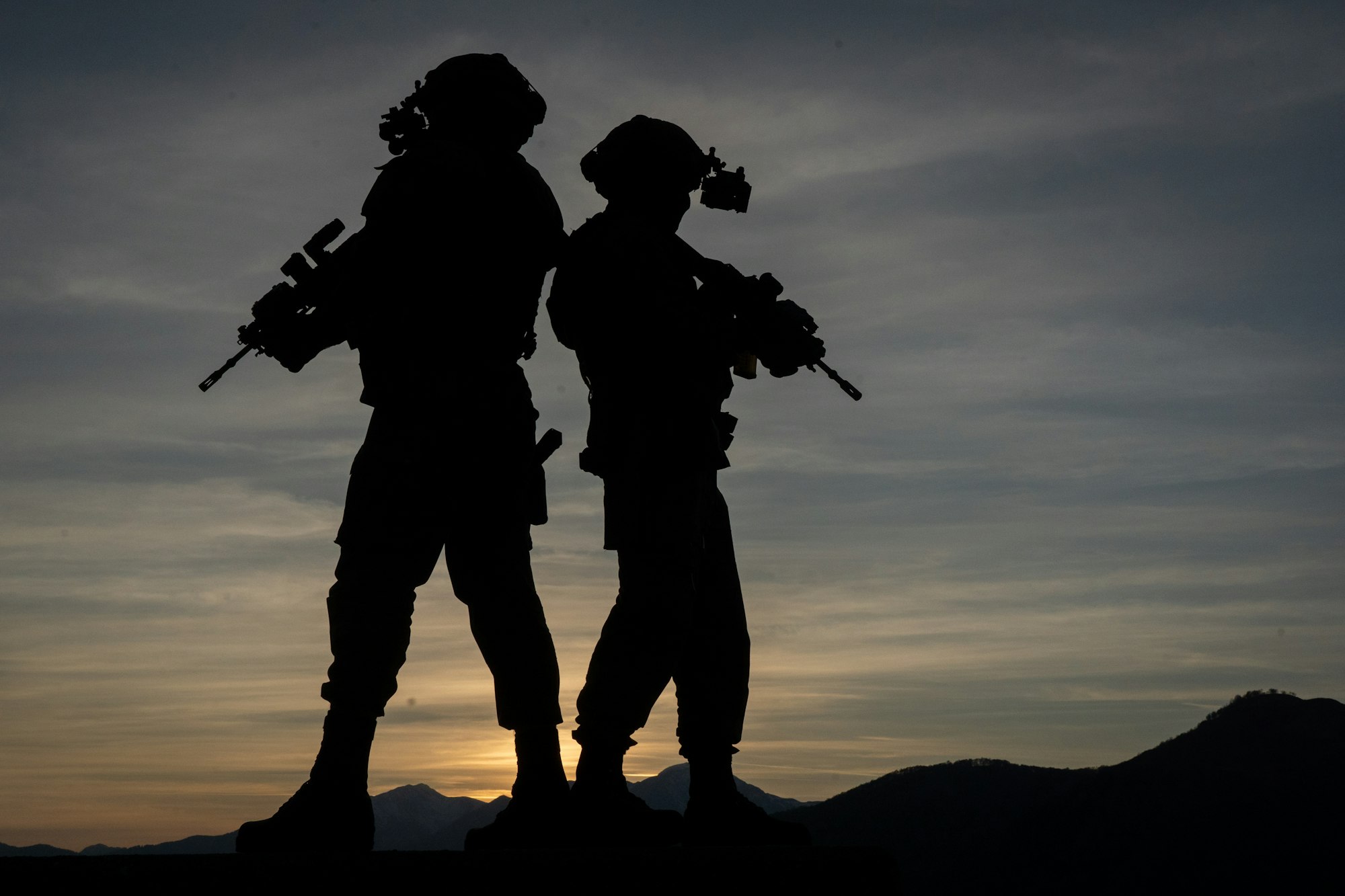
SEAL stands for sea, air and land, which is a fair summary of how they get to work. The Navy's recruiting site lists parachutes, submarines, helicopters, high-speed boats, foot patrols and combat swimming as the ways SEALs reach a target. It also names the jobs they go to do: capturing high-value enemy personnel and terrorists, special reconnaissance, small-unit direct action against military targets, and the original frogman task of scouting and clearing obstacles before an amphibious landing.
They're expected to do that in any terrain. The same page lists desert, jungle, mountain, woodland, arctic and urban settings. Officers do the same work and also lead and train the enlisted SEALs in their unit. This guide sticks to what the Navy publishes about selection and training. It doesn't try to reconstruct individual operations.
Who can apply
Enlisted applicants have to be under 29, U.S. citizens and eligible for a security clearance. You don't need a college degree. Officer candidates must be 28 or younger and hold a four-year degree plus officer training, although the Navy says exceptions may apply for people with extensive service. Everyone has to pass the diver physical, and the Navy's career page says there are no part-time Navy Reserve SEAL positions.
The eyesight rule is specific. The standard is 20/40 in the better eye and 20/70 in the worse one, correctable to 20/25. The Navy tells applicants to ask a recruiter about color blindness rather than printing a rule.
Enlisted candidates also need qualifying ASVAB line scores. The Navy lists GS+MC+EI of at least 167, plus AR+MK of at least 100 paired with one of three other combinations, one of which is VE+AR of 108 with an MC of 50. Line scores are built from individual subtests, so a good overall AFQT doesn't settle the question. Our guide to the ASVAB and its scores shows how the pieces fit together.
The Physical Screening Test
The PST is the gate everybody trains for. It's five events in a fixed order with set rest periods, and the swim comes first. The Navy publishes two columns of numbers: the minimum to qualify and a harder set it calls the EPST.
| Event | Minimum | EPST |
|---|---|---|
| 500-yard swim, combat sidestroke | 12:30 | 9:30 |
| Push-ups in two minutes | 50 | 75 |
| Sit-ups in two minutes | 50 | 75 |
| Pull-ups in two minutes | 10 | 15 |
| 1.5-mile run | 10:30 | 9:30 |
You get 10 minutes of rest after the swim and two minutes between the strength events. Meeting the EPST scores on the PST taken within 14 days of shipping to boot camp can qualify you for the Navy's Enlisted Bonus for Shipping. The Navy pays extra for the harder numbers, which tells you roughly where it would like candidates to be.
BUD/S and Hell Week
SEAL recruits go through boot camp at Recruit Training Command first, like every other sailor. Those weeks get their own write-up in our boot camp comparison. Candidates then move to Coronado, California. Military.com describes a five-week BUD/S prep course there, which used to be held at Great Lakes, Illinois, followed by a two-week orientation and then Basic Underwater Demolition/SEAL training itself, a course it puts at about seven months.
BUD/S has three phases:
- First Phase: physical conditioning and small boat seamanship. Hell Week falls here.
- Second Phase: combat diving, with open and closed circuit scuba and long underwater transit dives.
- Third Phase: land warfare, covering land navigation, small-unit tactics, rappelling, explosives and weapons training.
Published accounts give different week counts for each phase, so we've left them out. Hell Week is better documented. AP reporting describes it as a five-and-a-half-day test in which candidates get two sleep periods of two hours each, and says at least half to 60 percent of the candidates who start it don't finish.
In 2022 Seaman Kyle Mullen, 24, collapsed and died of acute pneumonia hours after completing Hell Week. A Navy line of duty report found he died "in the line of duty, not due to his own misconduct." According to AP's account, a medical officer had recommended calling 911 and the call was made about 90 minutes later. Three officers received non-punitive letters.
Since then the Navy has added advanced cardiology screening, pneumonia shots, closer medical checks after Hell Week and expanded testing for performance-enhancing drugs, AP reported.
Next guide: Green Berets vs. Rangers
The Army's two special operations communities that people mix up, compared from selection to the tab and the scroll.
After BUD/S: jump school and SQT
Finishing BUD/S doesn't make you a SEAL. Graduates still face parachute training and SEAL Qualification Training, which Military.com describes as six months in Coronado covering diving, shooting, static line and freefall parachuting, small unit tactics, mission planning and medical skills. Graduates are assigned to a SEAL team or a SEAL Delivery Vehicle team.
Navy recruiting material puts the whole initial training block at 56 weeks for enlisted candidates and 62 weeks for officers, not counting boot camp or officer school. After that comes 18 months of pre-deployment and specialized training. Add those two figures and a new enlistee is looking at more than two and a half years of training before boot camp is even counted, assuming no injuries and no recycled phases.
The officer route
Would-be SEAL officers are screened before they ever see BUD/S, through SEAL Officer Assessment and Selection, or SOAS. In 2019 MOAA described it as a two-week process held in four blocks a year, with roughly 180 candidates attending annually and, on average, the top 85 going on to SEAL training. A selection panel of senior SEAL officers weighs each candidate's SOAS scores, interviews and record. Those who get a SEAL contract head to Coronado. Those who don't can be placed in another community they listed.
SEAL jobs opened to women in 2016. MOAA reported that a woman completed SOAS in September 2019 but wasn't selected, and that no woman had reached BUD/S at that point.
Where SEALs came from
The SEALs grew out of the Navy's World War II frogmen. According to the National Navy SEAL Museum, Underwater Demolition Teams 1 and 2 were formed in December 1943 at Waimanalo on Oahu, and UDTs fought again in Korea from 1950 until the armistice in July 1953. SEAL Team ONE was established in January 1962.
Who gets the credit is a minor dispute. Navy recruiting copy says the SEALs were established by President John F. Kennedy in 1962. The museum calls the idea that Kennedy ordered them created for Vietnam a myth. It counts 10 active-duty SEAL teams today.
Get the briefing
We'll email you when the next explainer on special operations selection is up.
Before you sign anything
- Run a practice PST in order, with the Navy's rest periods. Swim the 500 yards in combat sidestroke, since that's the stroke that counts.
- Look at your ASVAB line scores, not only your AFQT.
- Have your eyes checked against the 20/40 and 20/70 standard early.
- Ask the recruiter in writing what happens if you're dropped from training. The Navy's career page doesn't say, and the answer shapes the rest of your enlistment.
- Compare the other services before you commit. The Marine Raiders select from Marines already in uniform, while the Army's 18X option takes civilians straight into the Special Forces pipeline.