Who Billy Mitchell was
William "Billy" Mitchell was born in Nice, France, in 1879, the son of a U.S. senator who had fought in the Civil War. He joined the Army in 1898 when the Spanish-American War broke out, though he never saw combat in it. What he did see was the Philippines, where he served during the insurrection and made lieutenant, and Alaska, where the Signal Corps sent him to build a telegraph line across the wilderness in 1901 and 1902.
The Signal Corps also happened to be where the Army kept its airplanes. It bought its first one from the Wright brothers in 1908. Mitchell came to flying late. HistoryNet dates his first lessons to 1915, and the San Diego Air & Space Museum says he was rated a Military Aviator in 1916, when he was already in his mid thirties.
The war that made his name
Mitchell was already in Europe when the United States declared war on Germany in April 1917, and he was put in charge of the Air Service units as they arrived. General John Pershing later gave him command of air operations, with Benjamin Foulois running logistics.
His big moment came at St. Mihiel in September 1918. He planned and led what Air & Space Forces Magazine calls the largest air operation of the war, with nearly 1,500 Allied aircraft under his control. HistoryNet notes that he used aircraft for bombing on a large scale, an idea he kept pressing long after the guns went quiet.
After the Armistice he kept his one star and became Assistant Chief of the Air Service. From that job he argued, loudly and in public, that the airplane had changed war and that the country needed an air arm separate from the Army and the Navy.
Sinking the Ostfriesland
His sharpest claim was that bombers could sink battleships. In February 1921 the Army and Navy agreed to test it in joint trials that Military.com says went by the name Project B. The Air Service formed the First Provisional Air Brigade at Langley Field, Virginia, with about 150 aircraft and 1,000 men, and the tests began that June off the Virginia coast.
The Navy set the rules. According to Military.com there were to be no aerial torpedoes, no more than two hits with heavy bombs, and the target had to sit 50 miles offshore in at least 100 fathoms of water. The prize target was the Ostfriesland, a German battleship taken after World War I. On July 21, 1921, Mitchell's bombers dropped six 2,000 pound bombs on and around her, more than the Navy had allowed, and aimed for near misses rather than direct hits. She went down 22 minutes after the attack.
HistoryNet describes the Ostfriesland strike as a mix of 1,000 and 2,000 pound bombs. Accounts of the exact load and timing vary from one source to the next.
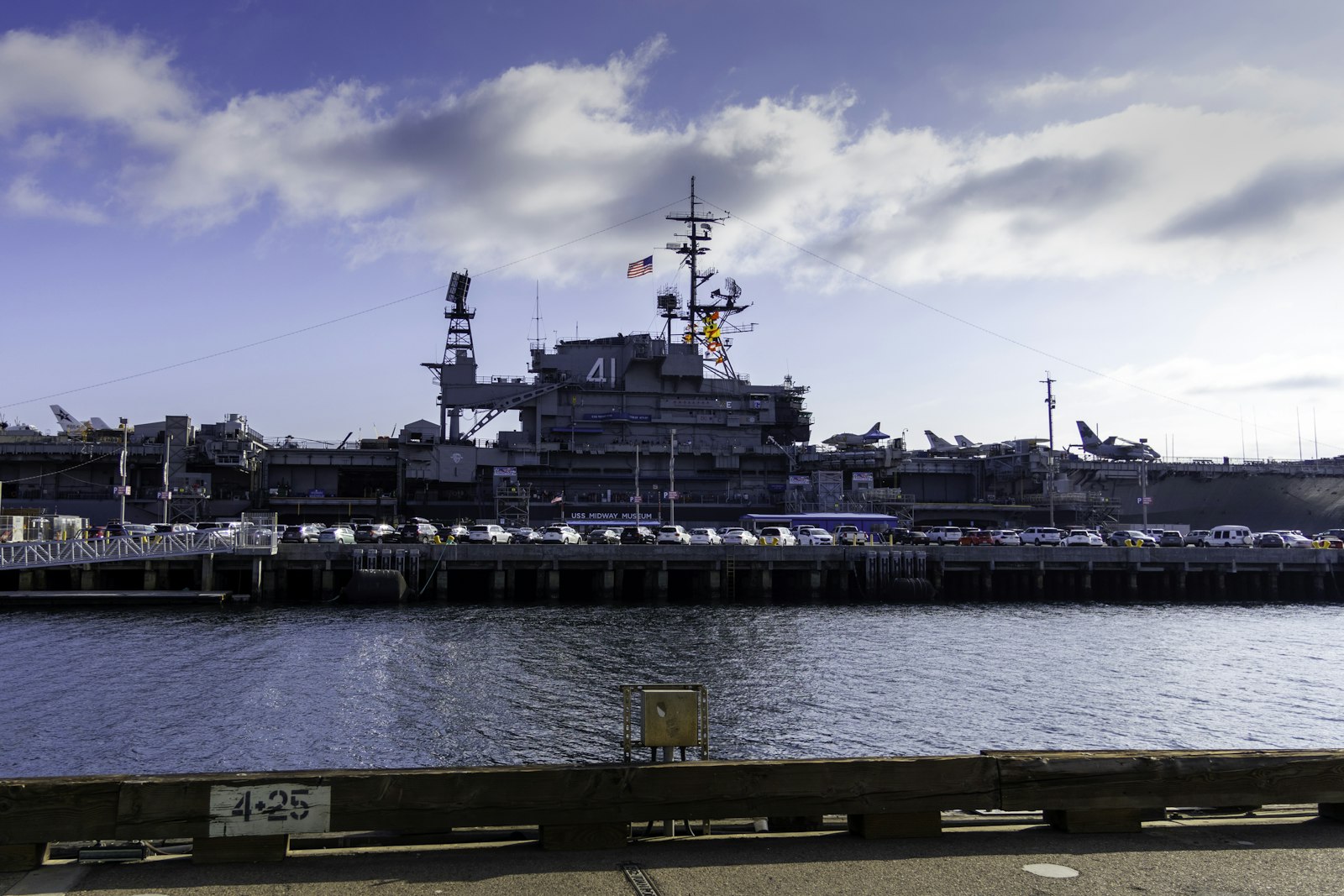
Further tests in 1921 and 1923 sank several more old battleships. Whether any of it proved a ship under way, firing back, could be sunk the same way was argued for years. What the trials did do, Air & Space Forces Magazine says, was push the Navy to build up its own air arm. Today's carrier fleet is covered in our Nimitz vs. Ford class comparison.
Next guide: the Battle of Midway
How codebreakers and carrier dive bombers sank four Japanese carriers in June 1942.
A warning about the Pacific
In 1924 Mitchell toured Japan and the Pacific. Military.com reports that he came back with a 324 page report warning that Japan would eventually attack the United States, and that it described a hypothetical air attack on Pearl Harbor with planes arriving at 7:30 in the morning. The Army's War Plans Division called the forecast "exaggerated" and "unsound."
Pearl Harbor came five years after Mitchell's death. When the Pacific war came, carrier aircraft decided its first great naval battle, as our account of the Battle of Midway shows.
The court-martial
By 1925 Mitchell had worn out his welcome. His term as the Air Service's deputy chief wasn't renewed that March. He lost his star, went back to being a colonel and was posted to San Antonio. HistoryNet records Hap Arnold warning him to "take it easy." He didn't.
On September 3, 1925, the Navy airship Shenandoah crashed, killing 14 men, shortly after three Navy seaplanes were lost in separate accidents. Two days later Mitchell handed reporters a statement calling the losses "the result of the incompetency, the criminal negligence" of the Navy and War Departments. Military.com quotes him accusing the services of "almost treasonable administration of the national defense."
The Army charged him under the 96th Article of War, which covers conduct "of a nature to bring discredit upon the military service." The trial opened in Washington in early November before a panel of generals that included Douglas MacArthur. Eddie Rickenbacker, Hap Arnold and Carl Spaatz all testified for the defense. On December 17, 1925, after about seven weeks of testimony, the court found him guilty on every charge and treated the accuracy of his statements as beside the point.
The sentence was five years' suspension from duty without pay. Mitchell resigned rather than serve it. Long afterward, Air & Space Forces Magazine notes, reviews carried out by the new Air Force still found him guilty, "even if for a worthy cause."
Get the briefing
One email when we post new military history, and nothing in between.
What he left behind
Out of uniform, Mitchell kept writing. His books include Our Air Force (1921), Winged Defense (1925) and Skyways (1930). He died in February 1936 at 56, of heart trouble and influenza according to HistoryNet.
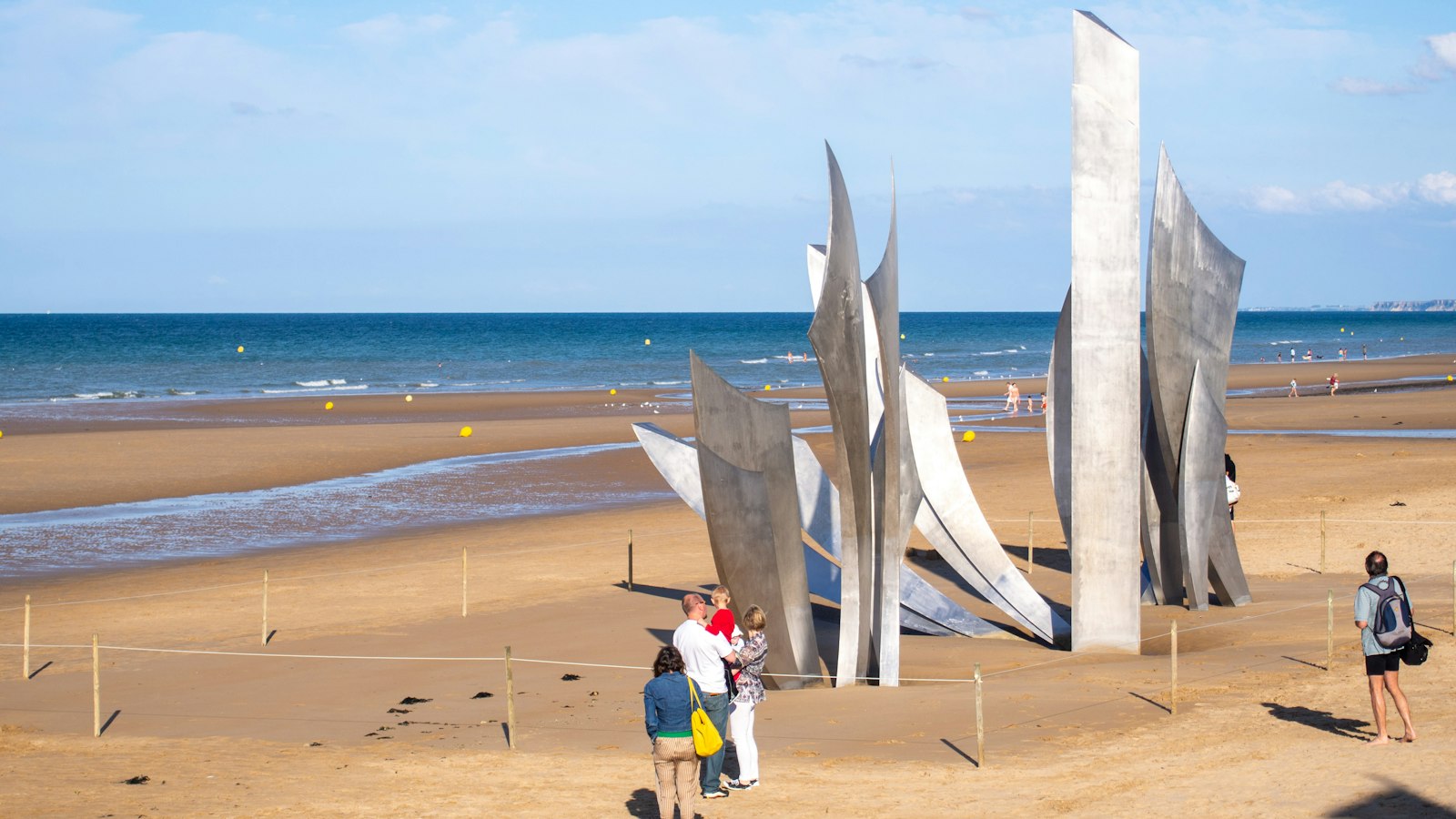
The honors came after. In 1946 Congress voted him a special gold medal. The North American B-25 bomber, which flew the 1942 Doolittle Raid on Tokyo, carries his name. And the separate air service he spent his career demanding did arrive: HistoryNet notes his ideas were vindicated when the US Airforce was set up as an independent branch after World War II, more than a decade after he died. On June 6, 1944, Allied aircraft flew more than 11,000 sorties over Normandy in one day, as our D-Day by the numbers page lays out.
What the popular version gets wrong
A few claims about Mitchell turn up again and again, and they don't survive a look at the record.
- He wasn't tried for sinking a battleship or for predicting Pearl Harbor. The charges came from his public statements after the Shenandoah crash.
- He was never promoted to major general after his death. Air & Space Forces Magazine put it flatly: "There is no dispute that Mitchell was never posthumously promoted." Bills to do it failed in the 1940s. Congress finally authorized the promotion in its fiscal 2005 defense bill, but an authorization only permits the step, and it was never taken. Some museum pages, the San Diego Air & Space Museum's among them, still say otherwise.
- The 1946 award wasn't a regular Medal of Honor. Military.com calls it a special Congressional Medal of Honor. The San Diego museum describes a special gold Congressional medal, which is closer to what Congress actually voted.
None of that shrinks what he got right. He saw early that aircraft would decide battles at sea, and he paid for saying so at the top of his voice.
Sources
- Air & Space Forces Magazine: Heroes and leaders, Billy Mitchell
- HistoryNet: The court-martial of Colonel Bill Mitchell
- Military.com: This Army pilot proved airplanes could sink battleships and predicted Pearl Harbor
- Air & Space Forces Magazine: Honorary promotions
- San Diego Air & Space Museum: William Mitchell, Hall of Fame