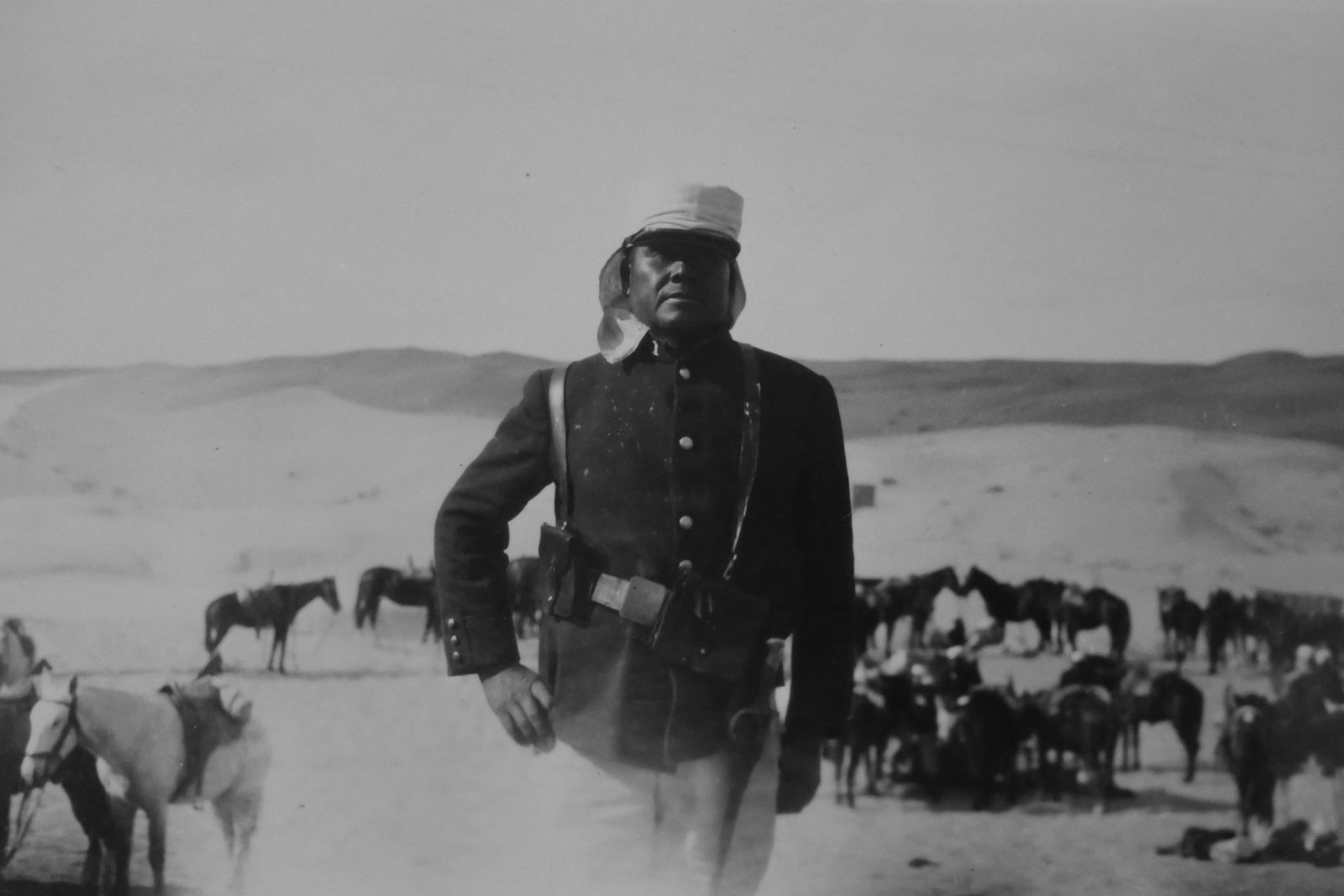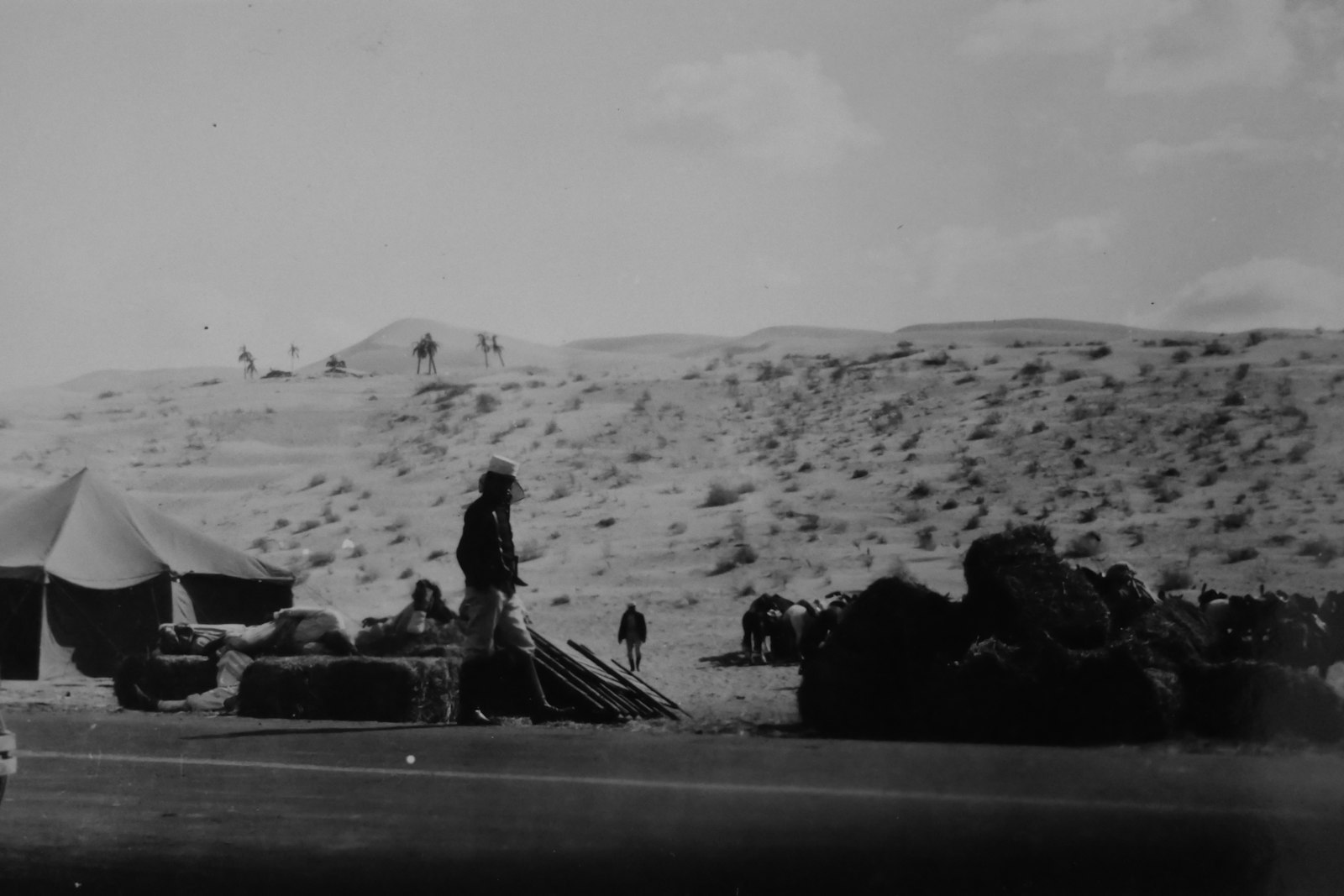
What Camerone Day is
Camerone Day falls on April 30 and it is the Legion's most important date of the year. Every unit marks it, at home in France and at garrisons overseas. The main ceremony is held at Quartier Vienot in Aubagne, home of the 1st Foreign Regiment, which has served as the Legion's headquarters since it left Sidi Bel Abbès in Algeria in 1962.
The day commemorates a single company of legionnaires that held off a Mexican force many times its size for most of a day and would not give up. French history magazine Herodote dates the Legion's commemorations to 1906. The first public celebration, according to the Legion history site foreignlegion.info, came on April 30, 1931, a century after the Legion was founded.
Why the Legion was fighting in Mexico
In 1861 France, Britain and Spain sent troops to Mexico to force President Benito Juárez to pay the country's foreign debts. The British and Spanish pulled out in 1862. Napoleon III kept going, aiming to overthrow Juárez and set up an empire friendly to France.
It went badly at first. Herodote says a French army of 7,000 was thrown back at Puebla, and 28,000 more troops under General Forey had to be sent before the city could be taken. By the spring of 1863 the French were besieging Puebla, and a Legion company was handed a supply convoy to protect.
The fight at Camerone
On April 30, 1863, the 3rd Company was sent out to cover a supply convoy in Veracruz state. It had three officers: Captain Jean Danjou, who was 35, and Lieutenants Vilain and Maudet. The Legion's own count puts the rank and file at 62 legionnaires. A contemporary account by the writer Louis Noir, published by the Napoleon Foundation, says the convoy was expected to carry about three million francs.
Mexican cavalry caught the company in the open. Danjou's men beat off a first charge, then fell back to the walled courtyard of an inn in the abandoned village of Camerone, called Camarón in Spanish. The aim was to hold the enemy there long enough for the convoy to get away. By Herodote's count the Mexican commander, Colonel Milan, brought more than 2,000 men to bear: 600 cavalry and 1,400 infantry.
Milan offered terms. Danjou refused and swore he would never surrender, and his men swore the same. Danjou was killed as the fight went on. Vilain took command, and by the end it was Maudet leading the few men still on their feet. The Mexicans set the inn on fire. Herodote describes the last survivors pulling back into a shed and holding out for more than an hour before agreeing to give up, on condition that they keep their weapons and their wounded be cared for. The Mexicans accepted.
The whole point of the stand was to keep the Mexican force tied up at the inn and away from the convoy.
Next guide: joining the Legion
Who can enlist, how selection works and what the first contract asks of you.
Captain Danjou's wooden hand
Danjou wore a wooden prosthetic hand. Foreignlegion.info calls it the Legion's most sacred relic, and the Napoleon Foundation lists it among the most important historical relics in the Legion's collection. It is kept in Aubagne, where Herodote says legionnaires gather each April 30 to honor it.
On Camerone Day the hand is carried out in front of the assembled troops by a guest of honor picked for the job. In 2026 that was General Thierry Burkhard, who had been chief of the French armed forces from 2021 to 2025.
How the day is marked now
The 2026 ceremonies marked the 163rd anniversary of the battle. The address of this page still carries the 153rd, which fell in 2016, a leftover from the forum post this page replaces.
Foreignlegion.info's report on 2026 gives a sense of the scale. At Aubagne, new recruits of the 4th Foreign Regiment took their oath and received the white kepi in front of guests that included Prince Albert II of Monaco. The theme that year was "La Noblesse de servir," the nobility of service. Each regiment held its own ceremony as well:
- Calvi, Corsica: the paratroopers of the 2nd Foreign Parachute Regiment
- Nîmes: the 2nd Foreign Infantry Regiment, and Saint-Christol: the 2nd Foreign Engineer Regiment
- Camp du Larzac: the 13th Demi-Brigade of the Foreign Legion, which unveiled a statue of a legionnaire at Camerone
- Castelnaudary: the 4th Foreign Regiment
- Fort de Nogent, in the Paris area: the Legion's recruiting group
- Kourou: the 3rd Foreign Infantry Regiment in French Guiana
- Mayotte: the 5th Foreign Regiment, reactivated in September 2024 and holding only its second Camerone
The reports describe a familiar shape: troops on parade, veterans' associations in attendance, the Legion's band and its Pioneers at the main event, and in some years new legionnaires taking their oath on the day.
The Legion behind the ceremony
King Louis Philippe signed the ordinance creating the Legion on March 10, 1831, authorizing a new unit made up of foreigners. It spent almost 120 years based at Sidi Bel Abbès before the move to Aubagne.
It still recruits foreigners today. The French Foreign Legion recruiting site says applicants must be 17 to under 40, the first contract runs five years, selection takes three weeks and initial training lasts four months. About 8,000 applications are reviewed a year. A legionnaire can apply for French nationality after five years of service, which is longer than some older guides claim. Our guide to joining the French Foreign Legion walks through the process, and our special forces section covers France's other elite units.
Get the briefing
New history and special forces stories, sent once they're up. No spam.
Where the accounts disagree
The early accounts of Camerone came from survivors and from writers of the period, and the Napoleon Foundation's editors call Noir's version "heavily romanticised." The numbers shift depending on who is telling it.
| Detail | What the sources say |
|---|---|
| Legion strength | 3 officers and 62 legionnaires (foreignlegion.info); 63 legionnaires (Herodote); 65 men (Napoleon Foundation) |
| Mexican strength | About 2,000, given by Herodote as 600 cavalry and 1,400 infantry |
| Legion dead | 40, including two officers (foreignlegion.info) |
| Left standing at the end | 3 fit to fight (foreignlegion.info); 8 survivors who held out in the shed (Herodote) |
| Mexican losses | About 300 put out of action (Herodote) |
Older retellings, including the forum post this page replaces, gave other casualty figures that we couldn't match to a source, so we've left them out. What nobody disputes is the outline: a small company, a far larger force and a refusal to surrender that the Legion has built its identity around.